


Want to make it as a television composer? In these 3 interviews, you’ll hear what it takes to get started and succeed in composing for the TV industry, from award-winning multi-instrumentalist and composer Ronit Kirchman, composer Zach Robinson, and BMI TV Music Award-winning composer Alec Puro.
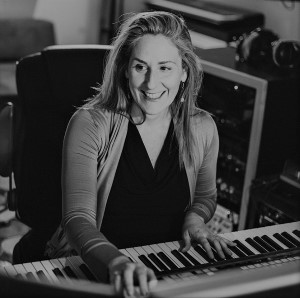
How did you get started in the composing industry? What was your very first score-to-picture gig, and what was that experience like for you?
I’ve always been a composer. As far back as I can remember, music was a language that I loved to explore and express through. I wrote songs and created new pieces from a very young age, and I loved improvising on my violin.
Scoring to narrative emerged in a natural evolution for me since it wove together many avenues of expression that I love: music, of course, and also my visual sensibilities as a fine artist and my interest in storytelling and poetry as a writer. I’ve always been passionate about dynamic art forms that move through time. Many of my friends were creative, too: musicians, artists, actors, writers, dancers, and directors. I think having a culture of creativity around you is a big factor in shaping your worldview and also in creating opportunities that come your way. When I moved back to New York City after graduating from Yale, some friends and colleagues asked me to write scores, musical direct, and create sound design for their immersive theater and musical theater projects. That theater work prepared me well for the multi-disciplinary collaborations in film scoring.
My first score-to-picture gig on my own was a short film called Come Nightfall, which ended up going to Sundance. A colleague of mine from CalArts, where I went to grad school, forwarded an email from the director, who was looking for a composer. The timing was great since I was just starting to seek out good independent films to work on. I wanted to score projects where I could really do something meaningful and original.
That first gig was a great collaboration that ended up generating more opportunities. I was fortunate to collaborate with various directors early on who considered filmmaking as an art form and were motivated to tell stories in an exciting and impactful way. That environment allowed me to develop my approach as a composer within collaborative frameworks.
Any advice you’d share on how to land a composing job in the film and TV industries?
There are several ways in. I’d first say, before going into details, that it’s key to persist and be patient, and to make sure that you really want to do this! That feeling of inner direction and even need can actually be a helpful anchor as you navigate the market.
I think going to a graduate film scoring program such as Columbia in Chicago, where I’ve taught as a resident composer, or USC or Berklee can help a lot in creating a foundation of knowledge, peers, and resources that will help propel you in your next steps.
I highly recommend looking for internships and mentorships, applying for film scoring fellowships and post-graduate programs, and finding jobs as a composer’s assistant, score coordinator, programmer, or orchestrator.
Writing additional music for bigger projects can also be a good way to learn and advance. At the same time, it’s important to find smaller projects where you can be the main composer, so that you gain experience as the main musical partner in creating the vision for the score.
What were some essential lessons you’ve learned throughout your career?
See above! And patience! Haha.
Also, I’ve learned the importance of implementing effective workflows, building teams and good relationships, and creating an environment where we can all enjoy the work we do. The deadlines and logistics can cause stress, so I always look for ways to learn how I can plan better and create solid frameworks that will free me up to have fun and be creative.
I’ve learned that there is no formula; each collaboration has its own dynamics and you have to listen with fresh ears when you enter a new project.
It’s a mix of learning from experience and then also being totally flexible and responsive in the moment. You want experience to help bolster you and allow you to handle more work with ease, but you don’t want your mind to be totally limited by what went before.
Any favorite tricks and workflow tips that help when composing for film or TV?
A full answer would probably fill up a few semesters of class!
Rather than offer tricks, I’d make an overall recommendation: make sure that telling the story is always front and center in your mind, even when you are figuring out a workflow. Your job as a film/TV composer is to help tell a story, and be able to have conversations about how to do that, and so your work concept and organization need to flow from that understanding.
Always ask yourself, how can I streamline my process so that the basics are efficiently handled and I am free to create good communication with the director and producers?
As early as possible, ask your team members what they need from you in the deliveries. With technical workflow, make it consistent. Create templates for sample libraries that are efficient and consistently organized.
Create a concept for how you version up your sessions. Check with your cutting room about file-naming conventions.
Create a situation where you can easily open up a cue from a month ago and revisit it and turn it into something else. Revisions are inherent in the process, so your session setup should be geared around making those possible and fast.
And ask questions when you don’t know something. Use your imagination to come up with new questions about what you don’t know and then find someone knowledgeable to ask.
What are your favorite sites and resources for composers?
• The SCL (Society of Composers and Lyricists) is a must-join organization. They host many educational events and panels, networking events, and have a good mentorship program.
• AWFC (Alliance for Women Film Composers) – I’m currently on the board of this organization, which is oriented toward creating a more equal playing field for women in film/TV composition. The AWFC offers some really amazing panels and seminars. I’m one of the co-founders of the mentorship program, which is now in its second year. It creates one-to-one pairings for each mentee with an established composer.
• Composers Diversity Collective – An organization of music creators who are achieving a workplace environment in the entertainment industry as diverse as our society. They have a full slate of great events and initiatives.
• If you have the credits to join, NARAS, the Television Academy, and AMPAS are all important places to become a member.
• PROs (performing rights organization) like BMI, ASCAP, SESAC all have great support and educational resources. If you’re not already registered with a PRO, don’t delay! (It’s also how you get paid performance royalties!)
• Reel Change Fund – recently launched by Christophe Beck and SESAC, it provides recording funds to underrepresented composers.
• Alumni networks – make the most of the community of industry professionals who graduated from your college and/or graduate program.
What’s one special thing you did to become a successful composer?
I’ll speak in the present tense, since this is an ongoing, lifelong process! I believe in myself and my original ideas and approaches to the creative process, and I dedicate myself to finding positive ways to bring that into a collaborative space.
When you have something new to say, or a new way of putting something together, you might not meet with instant understanding or adulation. You have to cultivate that inner understanding so that you can bring it into a collaborative environment successfully, in a way that people can relate to and interact with, and ultimately benefit from. It’s really the key to being an artist in the world, in particular when your medium is something as ethereal as music. You have to listen to that network of inspiration and create the channels for it to flow and feed the reality of your work with your creative partners.
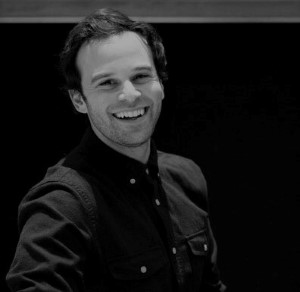
How did you get started in the composing industry? What was your very first score-to-picture gig, and what was that experience like for you?
I studied music composition at Northwestern University and moved back to my hometown of LA afterward, where I happened to be at the right place at the right time and got hired to work for Christophe Beck. I spent three years there working on films such as Frozen, Ant-Man, and Edge of Tomorrow before leaving to pursue my own career.
While I had spent years working on a myriad of projects from major motion pictures to short films, my first real paying gig was a YouTube Red television show called Sing It! which I co-composed with my current Cobra Kai partner and also former Beck assistant, Leo Birenberg. It was the first proper television series I had with my name on it as the composer.
Working for Chris had prepared me incredibly well for my own ventures. If possible, I always recommend that up-and-coming composers apprentice for another composer since it’s the best master class you could ever take.
Any advice you’d share on how to land a composing job in the TV industry?
It sounds lame, but it’s just networking. Planting seeds with young directors and filmmakers, editors, music supervisors, etc. It could take years but one day you may get a call from an editor you friended when you were 25 and she’s got a show that needs a composer.
I would say to spend more time nurturing creative relationships than trying to find an agent. Agent’s won’t take you on unless you have a good project anyways.
So how do you get a good project without an agent? Truthfully, 80% of my jobs come from personal relationships. Agents are fantastic and it’s great to have one on your side, but it isn’t necessary for you to have one to break into the industry.
What were some essential lessons you’ve learned throughout your career?
There are a few things I tell people when they are first starting up. One is that if you are looking for apprenticeships or assistantships for other composers, your music will be less of a factor in your hiring than your personality. There are plenty of talented composers out there, but only you are you, and you should use your unique personality to set yourself apart from other potential hirees. Your musical skills will surely get tested, but to get your foot in the door, I recommend just being yourself and not compromising any part of that.
The second thing would be: don’t spend all your money on new, shiny objects (sample libraries included). It’s incredibly easy to get sucked into the gear vortex, but there will never be that new piece of gear or software that takes you to the next level. Not to mention, there are many people who don’t have the privilege, resources, or cash to purchase new equipment all the time, and those people should never be discouraged or barred from success.
I constantly encourage young composers to utilize the resource they have on hand and work with that. If you’re hired as a composer for a short film that pays $0, you don’t need to (and you shouldn’t, in my opinion) use orchestra samples. Find other solutions that fit the scope of the budget and project.
Lastly, if you don’t get a gig, move on. I give myself a one-day pity party where I can be upset and mope for 24 hours, but after that, I pick myself up and keep at it. Rejection will be a major part of your career so the best thing you can do is get used to it.
Any favorite tricks and workflow tips that help when composing for TV?
Get in a routine. Whether it’s working early or late, it’s incredibly important to have some type of daily workflow routine. When I went freelance, I actually got a dog, and having to get up every morning at the same time to walk him got me going on a routine that I still stick with today. Having a dog is nice too because it forces you to get out of your room mid-way and go on a walk!
In terms of actually composing, key commands are great and truly do save a lot of time. On days when I’m not writing, I spend the time working on my template, tweaking Cubase preferences, cable management, etc. It’s nice to have a clean studio, too (at least for me).
What are your favorite sites and resources for composers?
Nothing special. Spotify/Tidal/Apple music for sure. Listen to music! If you have one streamer besides Netflix, get Criterion channel and watch old movies so you can listen to classic scores in their element.
Read books.
What’s one special thing you did to become a successful composer?
To me, being a “successful composer” isn’t just getting hired to write music. I take a lot of pride in how I manage to do what I love for a living, while also making sure I live a full life. I spend time with my partner, I see friends (when it’s not COVID time), I read, I watch movies and TV, I play board games, and I make pickles. It’s so important to find balance in this career. I still struggle with it but I’m very proud to be able to say I’m successful in that sense.
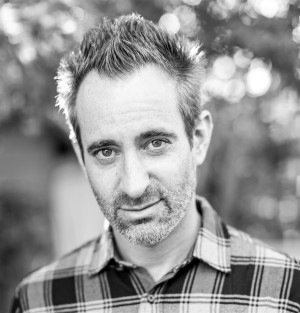
How did you get started in the composing industry? What was your very first score-to-picture gig, and what was that experience like for you?
I started playing piano when I was around 10 and from there I picked up the drums, which led to many years of being in bands and doing tons of session work. When I was about 18 or so, a producer friend of my mom’s, who worked on the show Chicago Hope, said they license music for each episode and I should write him a few songs to pitch. I got together with my friend Inara George (The Bird and The Bee) who has one of the most beautiful voices on the planet and we wrote two songs for the show which ended up getting licensed. From that moment, I was hooked on the idea of being a part of the storytelling process through music and all I did from that point on was focus all my time and energy on getting better at composing music to picture.
One of the first feature films I scored was called The Good Night. It was the first time I really had to create themes that helped cohesively tell the story on screen and really build throughout the film. I also got to record an orchestra for the first time, which was super thrilling.
The process was definitely challenging and there were a lot of firsts since I hadn’t yet scored a film of that caliber. At a certain point, I think I had rewritten the score twice and it still wasn’t completely clicking with the director. I was definitely all-in, pulling countless all-nighters, and I had no intention of not seeing this through to the end, but I started to second guess myself as things became increasingly difficult and time was running out.
I needed advice from someone who had been through this process before. James Newton Howard is a family friend and over the years he had become somewhat of a mentor to me. He was always very generous with his time and gave great advice. In a slight panic, I called him and told him the situation. He heard me out and basically said that this was part of the job of being a composer and if it was too intense and I really wasn’t enjoying the process, that this wasn’t for me.
Knowing that I wasn’t the first composer to experience the possibility of losing a gig affirmed that I needed to just hang on and push through. This advice was very comforting and all I needed to hear to keep me powering through to the finish line.
Any advice you’d share on how to land a composing job in the TV industry?
Do anything and everything that gives you the opportunity to create music.
Become friends with film students and other people creating content and offer them music help.
You never know where something might lead or what relationship you create along the way could be the one that helps to take everything to the next level. Work begets work and it’s all about your momentum and ability to put as much out there as possible; you never know what might come back.
What were some essential lessons you’ve learned throughout your career?
One lesson I’ve learned as a composer that comes up frequently is that when something you compose leaves your studio it’s no longer yours. You have to be ok with the fact that it may be edited or changed on the stage when a project is mixing, whether you agree with the change or not. Sometimes a cue may even be dropped from the score altogether.
In the end, you are serving the vision of the project you are working on; so something you thought was amazing may not be perceived that way by someone else.
My basic rule is that you need to feel good about what you’ve created and it needs to be the best it can be when it leaves your studio because you never know where it will end up in that project you are working on, or beyond, and you may not have a chance to go back and do that last final mix tweak, etc.
Any favorite tricks and workflow tips that help when composing for TV?
I really try to give all my scores a human organic feel by playing as many live instruments on them as possible.
By doing this, you really feel the human component and imperfections that give a piece of music the life it needs.
When you are only working with samples and not layering in some human elements, whatever that is, it’s next to impossible to achieve that organic human feel.
What are your favorite sites and resources for composers?
My best resources are my friends who are composers and musicians doing what I do.
What’s one special thing you did to become a successful composer?
Every day, I continue to learn and get better at my craft. I also spend time every day reaching out to various people to create new opportunities and push forward.
A big thanks to Ronit Kirchman, Zach Robinson, and Alec Puro for sharing their valuable insights with us!
Want the free Composer Success Series e-book as soon as it’s released? Sign up to be the first to get it here