


Long-time Star Wars sound designer David Acord talks about the fresh approach to sound on Disney+ series Andor, from crafting ambiences for new locations to designing the sound of new droids. He also goes into detail about the sound for one of Andor‘s most intense episodes: Episode 6 ‘The Eye.’
 Early BirdNOVA by Mattia Cellotto is coming soon!Become an Early Bird and get 3 SFX libraries (worth $125 total!), FREE with your NOVA orderBECOME AN EARLY BIRD →
Andor is a prequel to the events in the film Rogue One. How did the sound of Rogue One inspire your choices for sound in Andor?
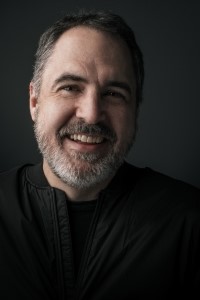
David Acord (DA): Season One of Andor takes place five years prior to Rogue One. Having co-sound designed Rogue One – with Chris Scarabosio – I had a bit of a jumpstart on how to tackle this. Tony prefers a grounded, gritty soundscape. For a show like Andor (or a film like Rogue One), we are basically watching a war movie. For Tony, that means a stark and tense atmosphere where sudden bursts of violence can come from anywhere. So, capturing the audience’s attention with quiet, tense moments heightens the experience of a surprising surge of action.
What were Tony Gilroy’s goals for the sound on Andor? Was there a specific sound or scene that he wanted you to tackle first? What were his concerns for that sound-wise?
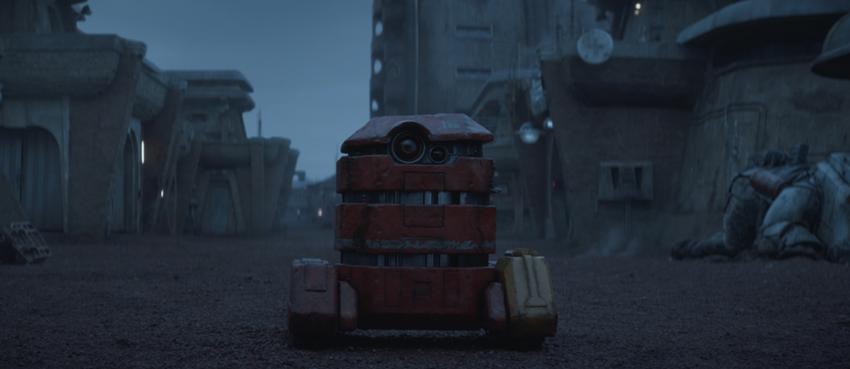
DA: Tony Gilroy wanted the sound of Andor to have a grounded, realistic feel. This is the rebellion from a covert perspective at ground level. One of the first scenes I worked on was the introduction of the droid B2EMO trundling across the planet Ferrix. It was a great way to establish his character: rusty, squeaky, and a little battered. In a way, B2’s design is a microcosm of the town itself (and by extension, the show): rough around the edges but with a lot of heart.
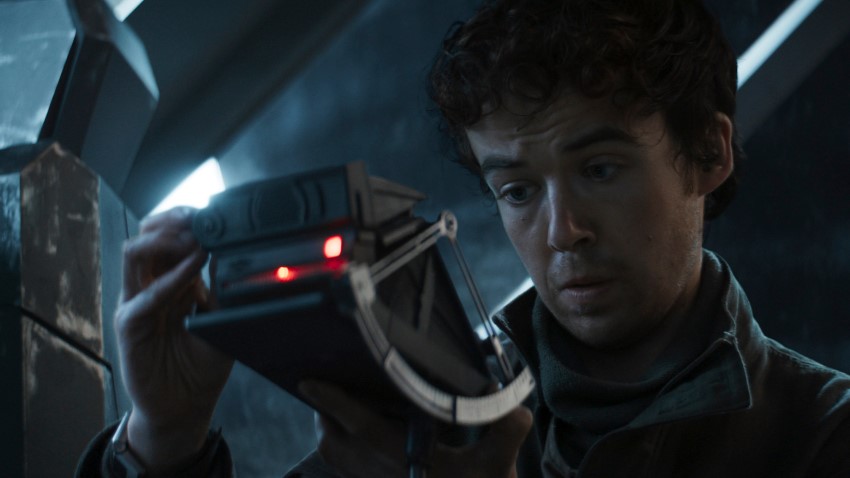
What went into the sound of the rebel’s tech and comms on Aldhani? How does this compare to the Imperial weapons and tech?
DA: We treated the rebel comm tech as traditional, if not “futzy,” radio comms. Since most of their tech is stolen from Imperial stockpiles, the sound is basically the same.
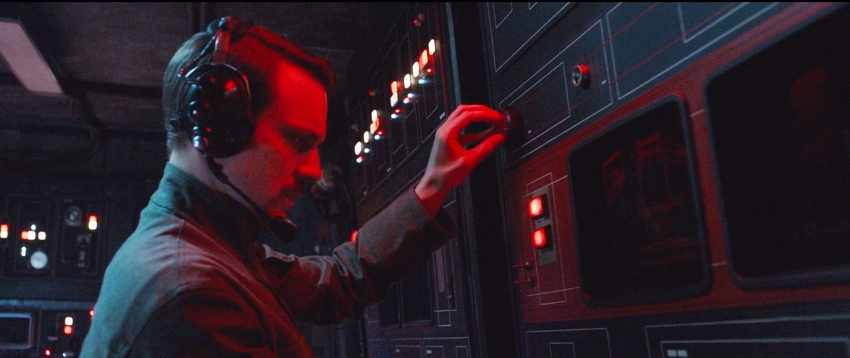
What went into the Imperial comms scene, when Corporal Kimzi discovers that the Alkenzi airbase is being attacked?
DA: We used both shortwave and synthesized shortwave-like sounds for the Imperial comm room. We wanted this to feel like a WW2-era communication hub.



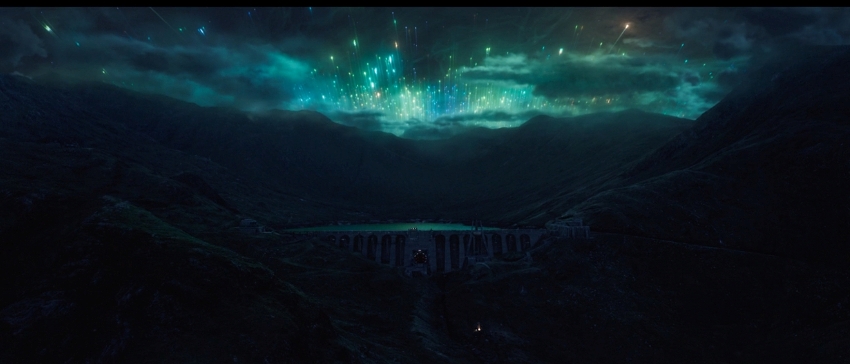
Let’s look at the action-packed Episode 6: “The Eye.” What went into the sound of the meteor shower?
DA: The Eye of Aldhani (the meteor event) develops over the course of the episode. At first, it’s a low thunderous boom followed by meteors streaking across the sky. These meteors have a singing quality as they pass, which foreshadows the Eye in its ultimate glory at the end of the episode.
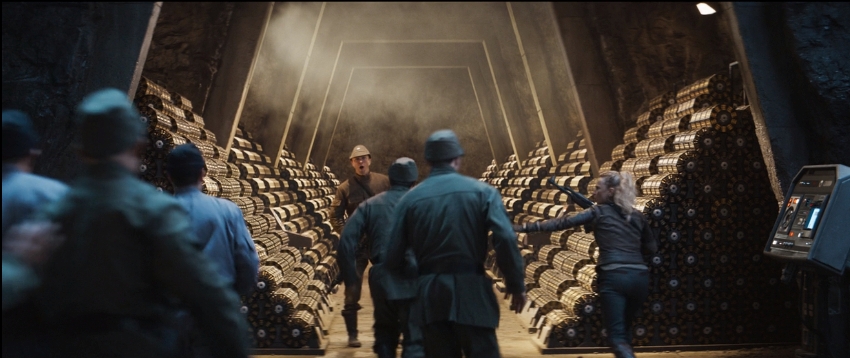
What were some of your challenges during the loading of the Imperial payroll scene? How were you able to make this scene feel more panicked using sound?
DA: When our heroes and their captive soldiers are loading the Imperial credits onto the Max-7 Rono freighter, we wanted to accentuate the fact that these are rolls of credit coins. So, we made sure to hit that sound every chance we got – the added benefit of this sound is that it ties in across the cut to the Dhani people singing and ringing their ceremonial bells. The contrast between the two moments – the increasingly frantic loading and the increasingly feverish singing – helps to build the tension.
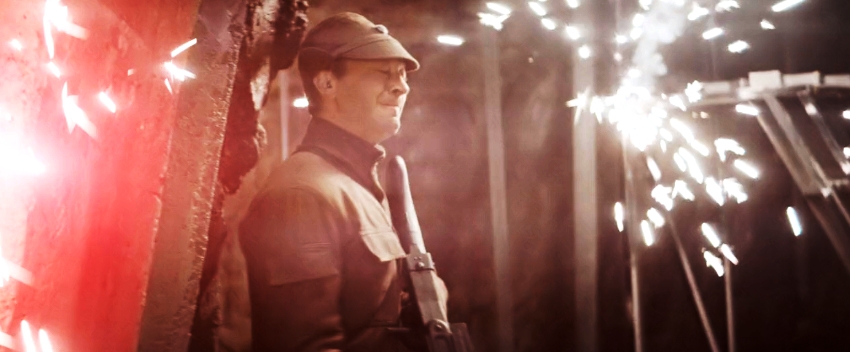
What went into the sound of the fight between the rebels and the Imperial forces?
DA: Aside from a variety of blaster weapons, the one thing that always sells danger in a gunfight (to me) is “whiz-bys.” That is the sound of a near miss, of near death. Combined with plenty of metal ricochets, the whole scene becomes very chaotic, as one would expect a fight like that to be.
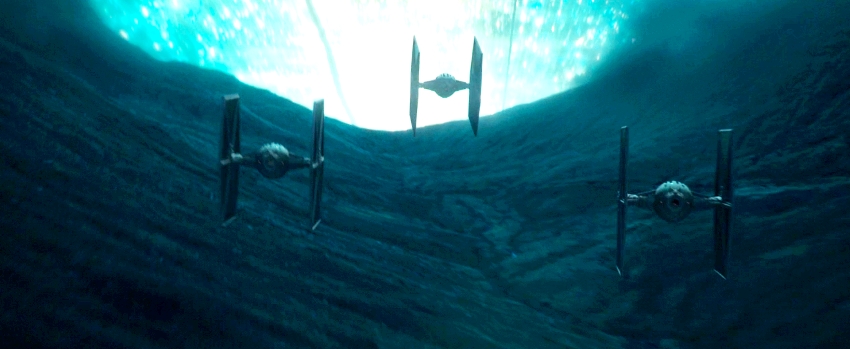
How did you handle the rebel’s flight into the Eye of Aldhani, and the TIE Fighter chase?
DA: The main challenge for the escape into the Eye was in the mix. You have the stolen Rono freighter, interior and exterior perspectives, TIE Fighters, laser cannon blasts, meteors, (coupled with Nicholas Britell’s amazing score), and on top of that, dialogue. It’s a real dance to keep all of those elements alive and playing nicely and coherently with one another.
Behind the score for Andor – with Nicholas Britell:
Want to learn more about the score for Andor? Check out this roundtable-interview with series composer Nicholas Britell:
Hear the score for Andor here
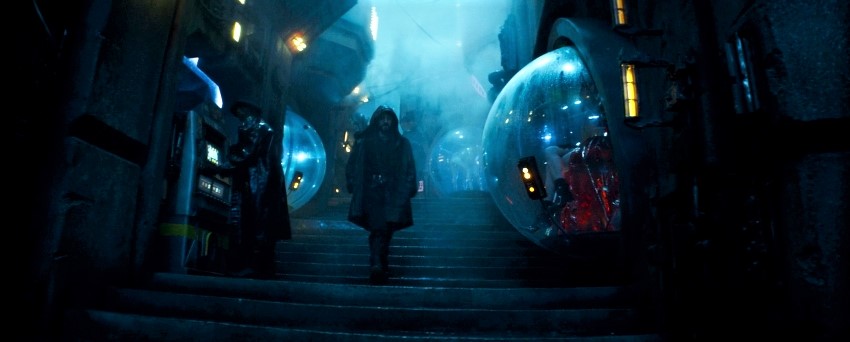
What has been your favorite moment in the series from a sound perspective, and what went into it?
DA: I really like the way the opening of Episode 1: “Kassa” turned out, with Cassian transversing the Leisure Zone on Morlana One in the rain. I had a lot of fun designing the sound of this place, both from a distance and from within.
What are you most proud of in terms of your sound work on Andor?
DA: I’m proud to have worked on a show that takes a genuine chance by redefining what a Star Wars series can be. Within that aesthetic, I was given the opportunity to view Star Wars sound from a different perspective.
A big thanks to David Acord for giving us a behind-the-scenes look at the sound of Andor and to Jennifer Walden for the interview!
Much more on the sound of Star Wars:
Click below to jump straight to your desired Star Wars sound story (they open in a new window):
The Sound Of The Mandalorian – with Bonnie Wild
How The Mandalorian Score Found The New Star Wars Sound
Behind the sound for Return of the Jedi – with Ben Burtt
Rare footage: Behind the sound of Empire Strikes Back
Twenty Thousand Hertz special – the sound of Star Wars
ABC’s fantastic Force of Sound documentary
The Rise of Skywalker audio interviews
Shaping the satisfying sound of Star Wars Jedi: Fallen Order
John Williams on creating the score for Rise of Skywalker
Behind the Sonic Magic at Skywalker Sound